When you invest in custom cabinetry, you expect every detail to be perfect. From the soft-close hinges to the hand-selected finishes, quality is found in the things you see every day. However, some of the most important factors in cabinet hardware installation are the ones you cannot see once the project is finished.
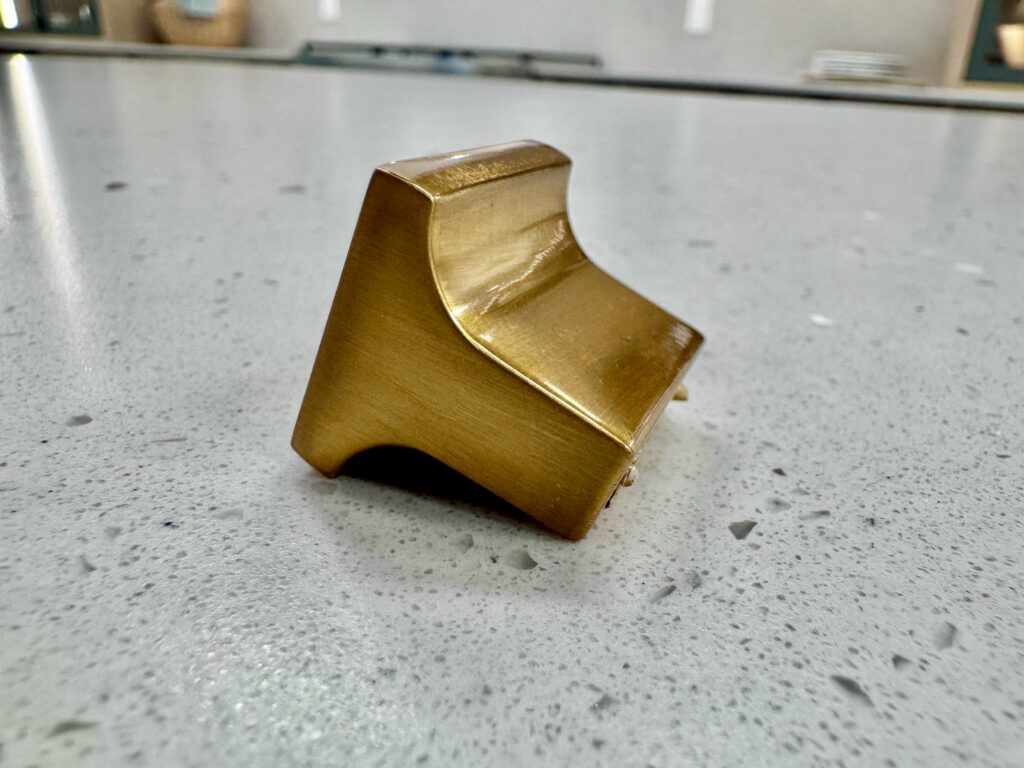
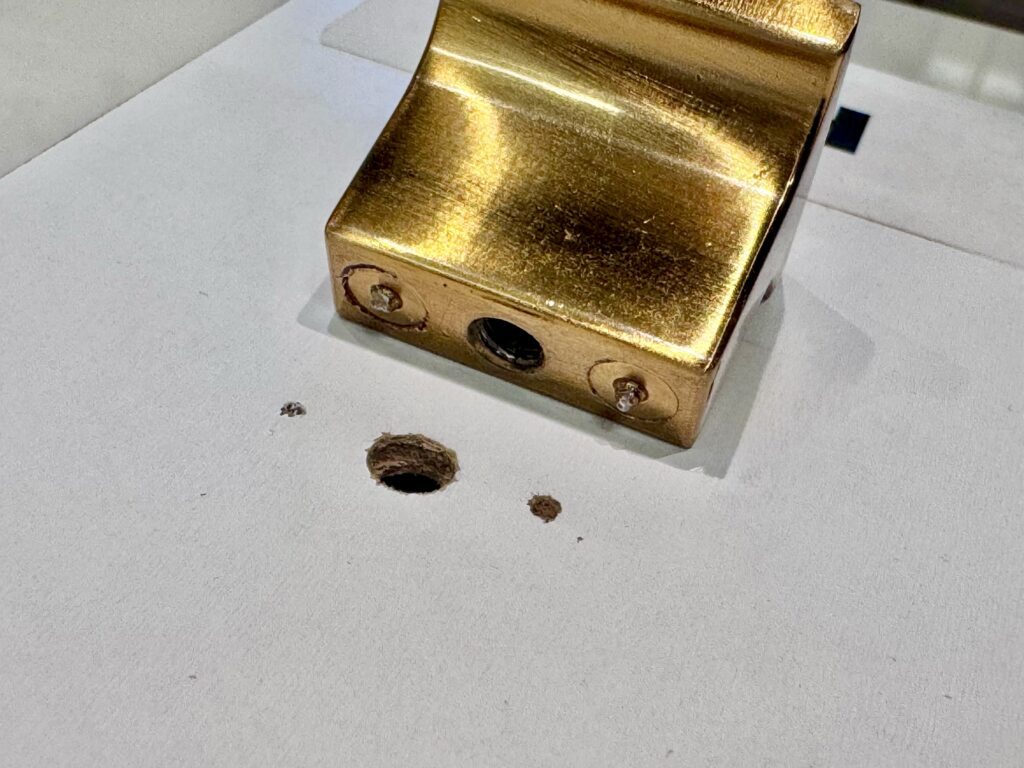
Have you ever looked at the back of your cabinet knobs and noticed two small, raised bumps?
In the design industry, these are known as anti-rotation nibs. While they might look like a manufacturing quirk, they are actually a critical functional feature designed to protect your investment during and after the cabinet hardware installation process.
What Are Anti-Rotation Nibs?
Think of these nibs as small “teeth.” When cabinet hardware installation is done correctly, these teeth bite gently into the face of the door or drawer front. This creates a physical lock that prevents the hardware from spinning or loosening, even with the repetitive pulling and pushing of daily use.
Why It Matters for Your Kitchen
It might seem like a small thing, but hardware that spins is more than just a nuisance. If these nibs are not properly seated during cabinet hardware installation, the constant rotation of the metal against the wood can:
Cause Long-Term Damage: Once the finish is compromised, moisture can get into the door material, leading to swelling or peeling that is difficult to repair.
Scratch the Finish: Over time, a spinning knob acts like sandpaper, wearing down the paint or stain and exposing the material underneath.
Create Misalignment: In a high-end kitchen, symmetry is everything. Loose hardware leads to crooked knobs that disrupt the clean lines of your cabinetry.
The Westwood Standard
At Westwood Cabinetry, we believe that longevity is just as important as aesthetics. This is why we partner with industry leaders like Richelieu Hardware to ensure every component of your kitchen meets the highest functional standards.
Ensuring that every piece of hardware is firmly aligned and that the anti-rotation nibs are fully engaged is a standard part of our cabinet hardware installation process. By using professional-grade hardware from Richelieu, we can guarantee a “day one” look that lasts for years to come.
Pro Tip for Homeowners
If you are updating your own hardware or notice a knob feeling a bit loose, do not just give it a quick turn. Take a moment to ensure the knob is perfectly vertical or horizontal, then tighten the screw firmly from the back. This ensures those nibs “bite” in the right place, locking your design in exactly where it belongs.